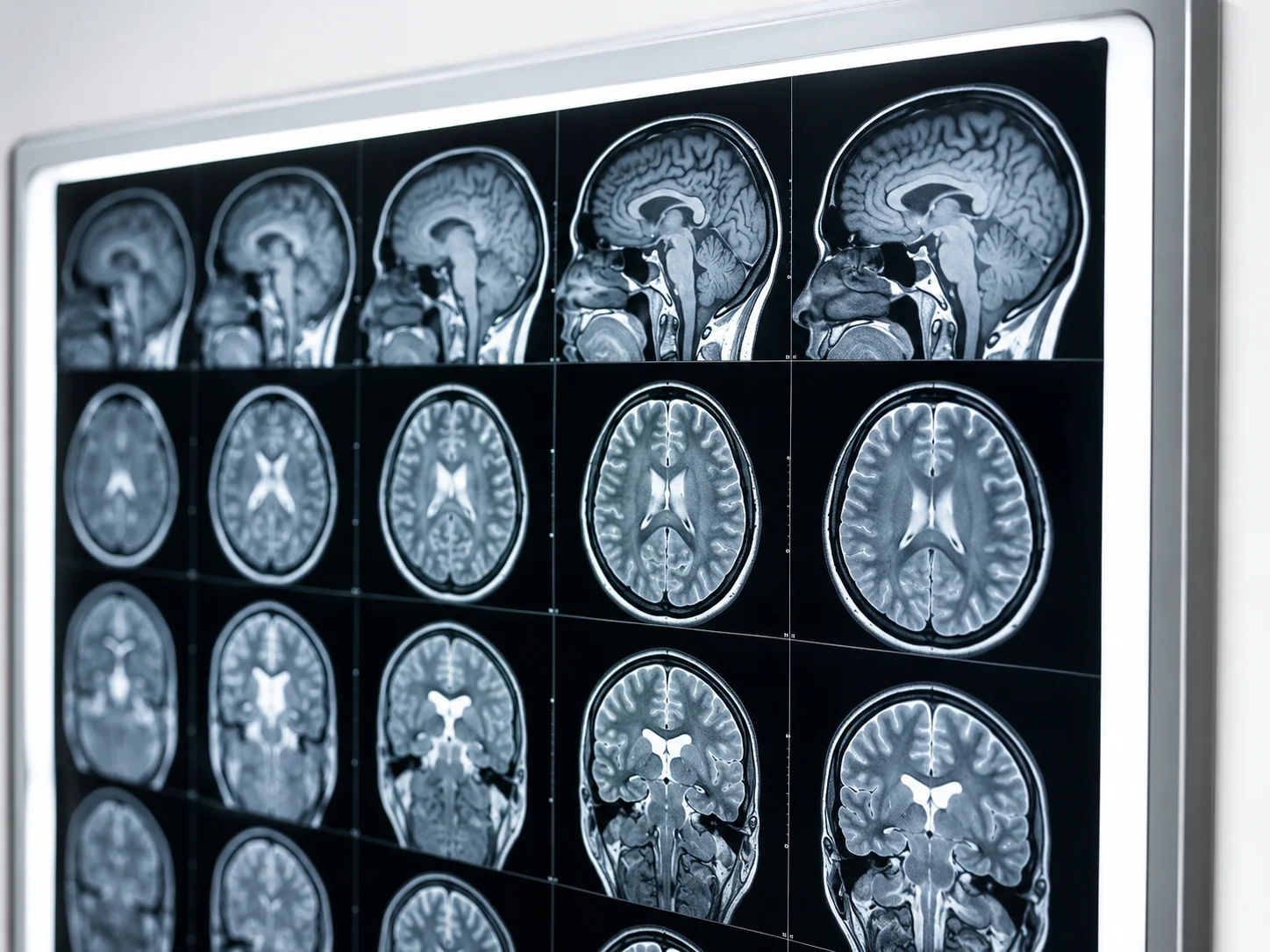
Brain MRI / Imaging
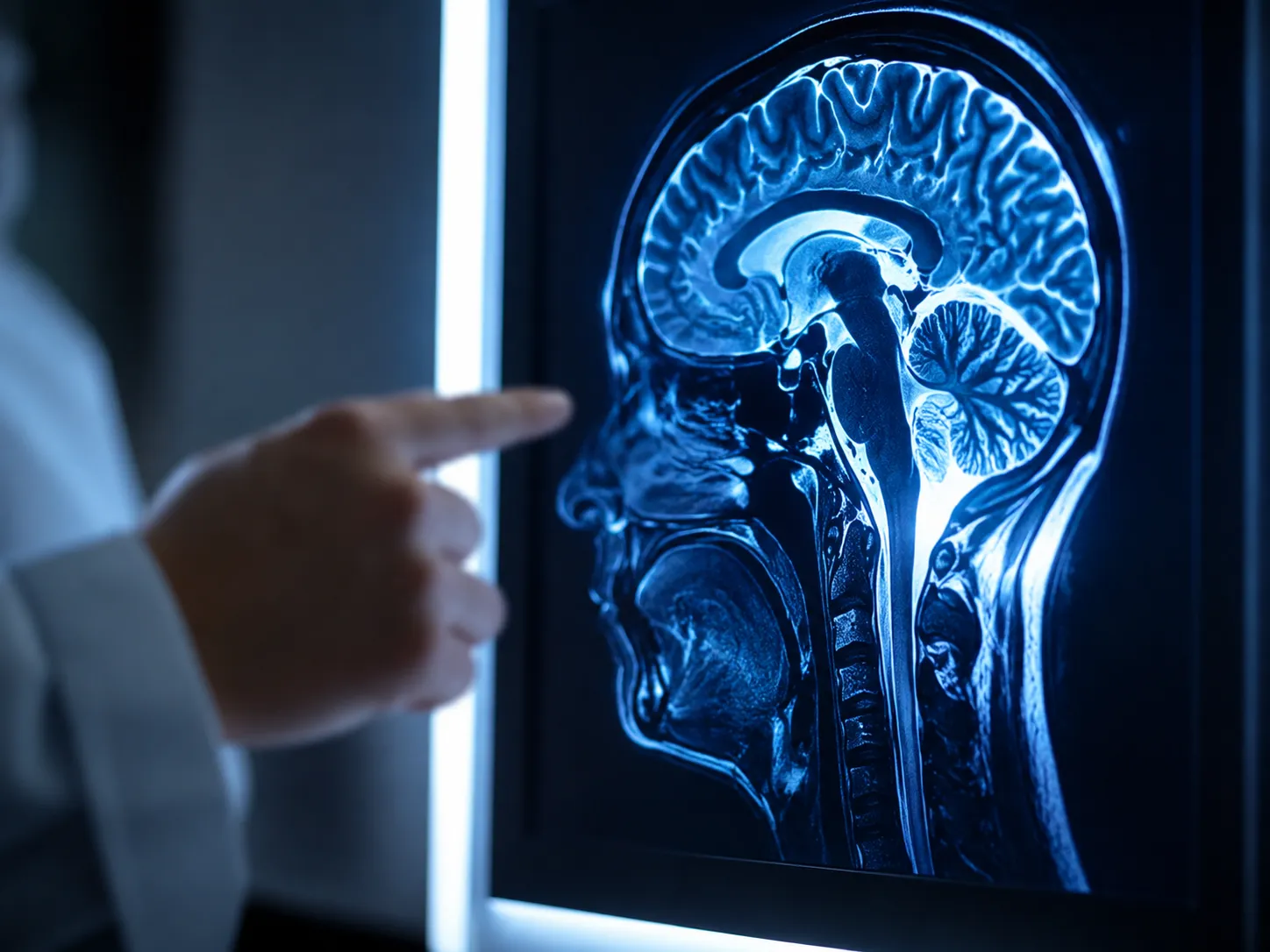
Imaging helps visualize brain regions and structural injury patterns. MRI may show bruising, swelling, white matter changes, or other findings that guide care.
Neurology & TBI
Care for traumatic brain injury, concussion symptoms, dizziness, post-traumatic headaches, and neurological changes after accidents or head trauma.
Understanding TBI
A traumatic brain injury is a disruption in normal brain function caused by an external force. Symptoms can occur after a direct blow, whiplash-like movement, rapid acceleration or deceleration, or blast exposure.
TBI can be mild, moderate, or severe. Even a concussion can affect memory, mood, balance, vision, sleep, pain, and daily function when symptoms persist.
Clinical Note
Symptoms may not appear immediately. A neurological evaluation can help connect delayed symptoms to the underlying injury pattern.
Common Causes
Warning Signs
Post-traumatic headaches may feel sharp, throbbing, pressure-like, or migraine-like and can be triggered by exertion, stress, or neck tension.
Brain injury can disrupt eye tracking, focusing, and visual processing, making reading, screens, or movement difficult.
Patients may feel lightheaded, unsteady, or as if the room is spinning when the vestibular system and brain balance pathways are affected.
Ringing, buzzing, or humming in the ears can follow head trauma when auditory pathways or inner-ear structures are irritated.
Normal light or sound can feel overwhelming when the injured brain has difficulty filtering sensory input.
Short-term memory, focus, organization, processing speed, and multitasking may become harder after concussion or TBI.
Irritability, anxiety, depression, anger, and emotional swings can develop when injury affects emotional regulation networks.
Trouble falling asleep, staying asleep, or feeling rested can worsen post-traumatic headaches, mood, and cognitive recovery.
Accident-related trauma may cause intrusive memories, hyperarousal, avoidance, and emotional distress that complicates recovery.
Deeper brain involvement may affect arousal, hormones, energy, temperature regulation, sleep, and stress response.
Diagnostic Approach
Brain injury care works best when structure, function, and balance systems are evaluated separately.
Imaging helps visualize brain regions and structural injury patterns. MRI may show bruising, swelling, white matter changes, or other findings that guide care.
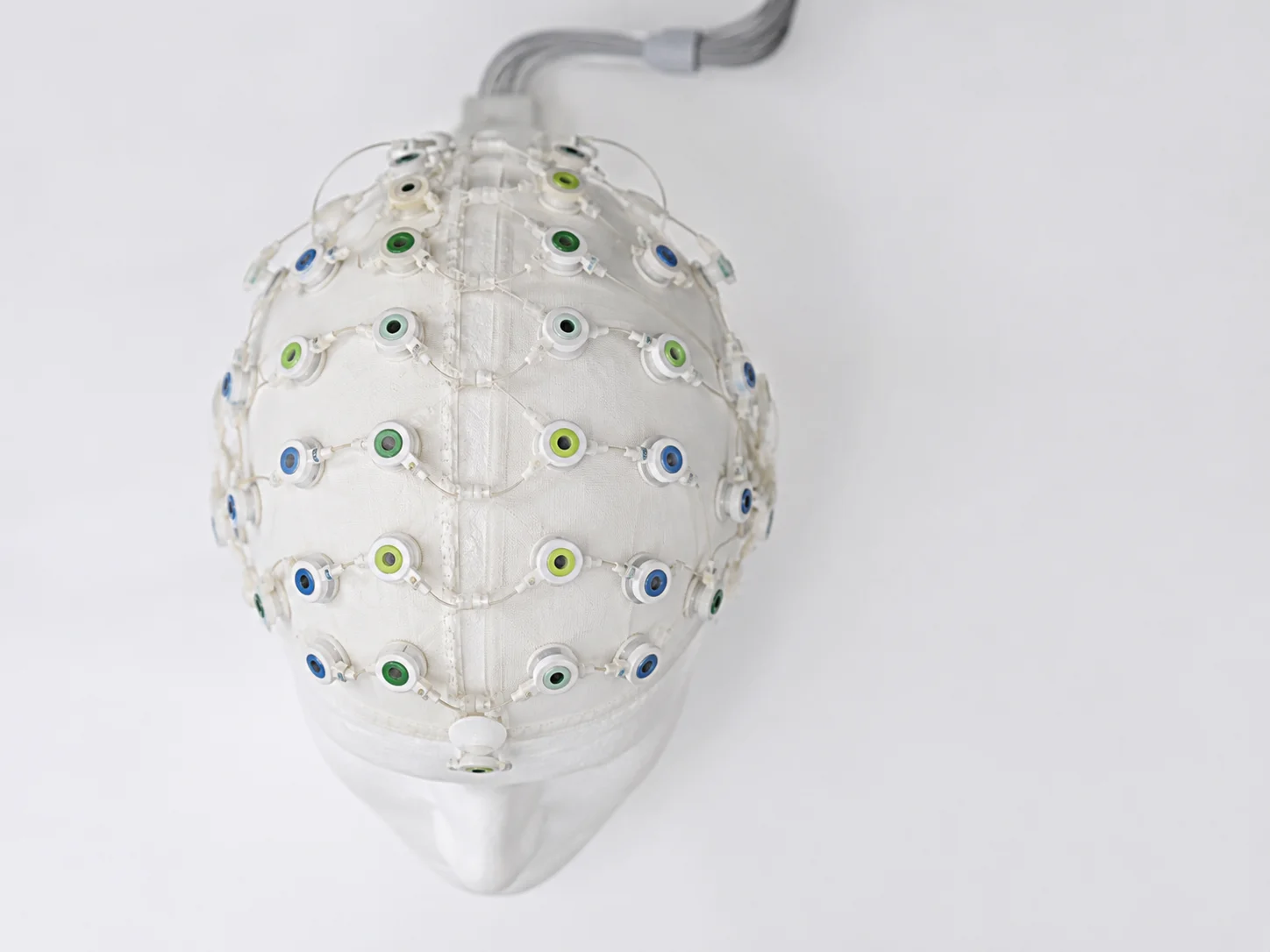
Quantitative EEG evaluates brain activity and brainwave patterns. It helps identify functional changes that may not appear on structural imaging.
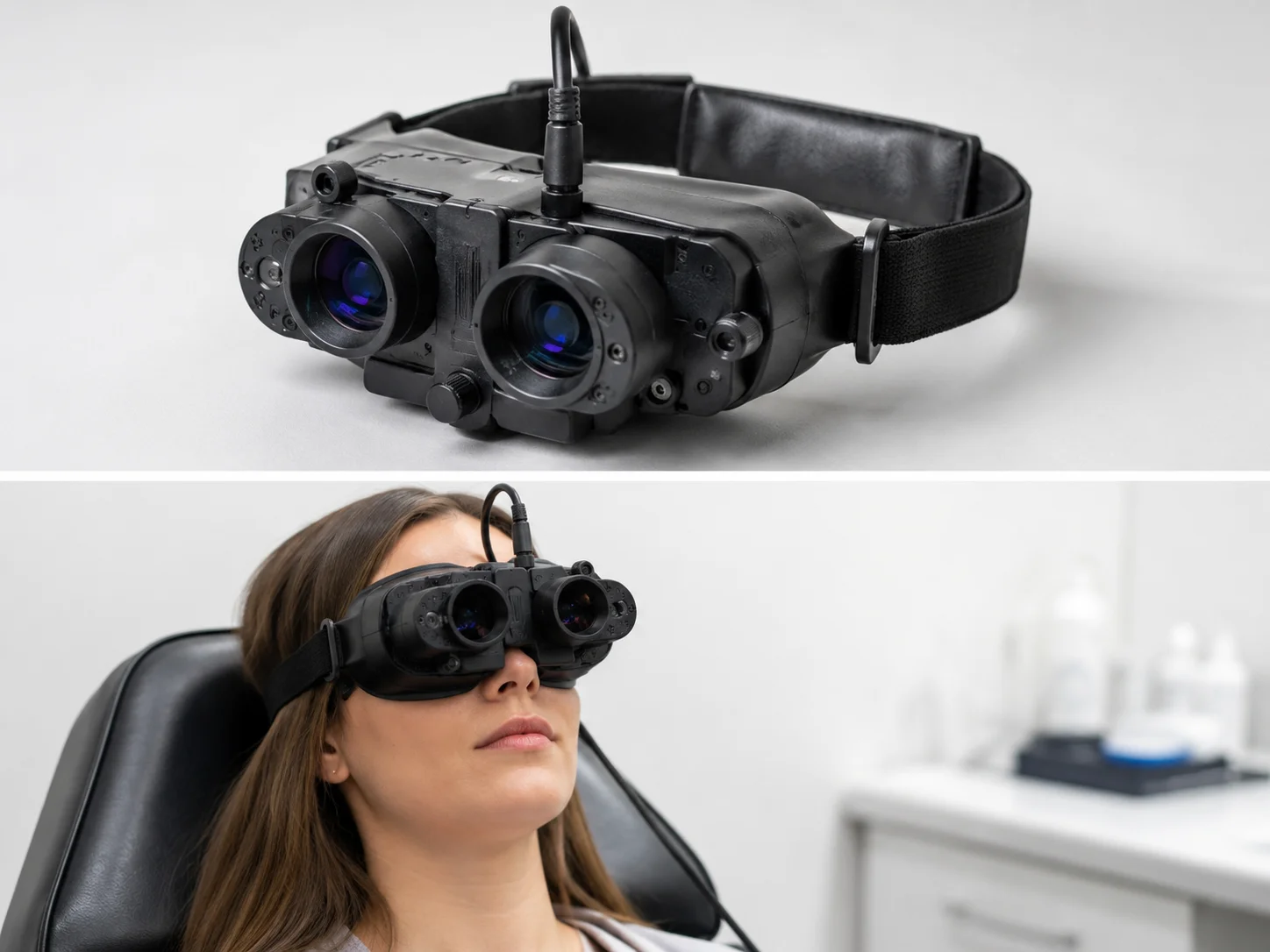
Videonystagmography evaluates the vestibular system through eye movement testing, helping explain dizziness, vertigo, imbalance, and tinnitus-related complaints.
Treatment Options
Vestibular Rehabilitation Therapy uses targeted exercises to help the brain adapt to dizziness, vertigo, visual motion sensitivity, and balance problems.
Botox may reduce chronic post-traumatic headaches by relaxing specific head and neck muscles involved in pain signaling.
These injections target irritated occipital nerves that can contribute to post-traumatic headaches, neck pain, and scalp sensitivity after trauma.
When appropriate, medications such as tricyclic antidepressants or Gabapentin may be prescribed for chronic post-traumatic headaches or nerve-related symptoms.
Non-Invasive Post-Traumatic Headache Therapy
TMS is our main non-invasive therapy consideration for post-traumatic headaches and mood symptoms after traumatic brain injury when a patient is clinically appropriate for treatment.
Learn About TMSCurious to Learn More?
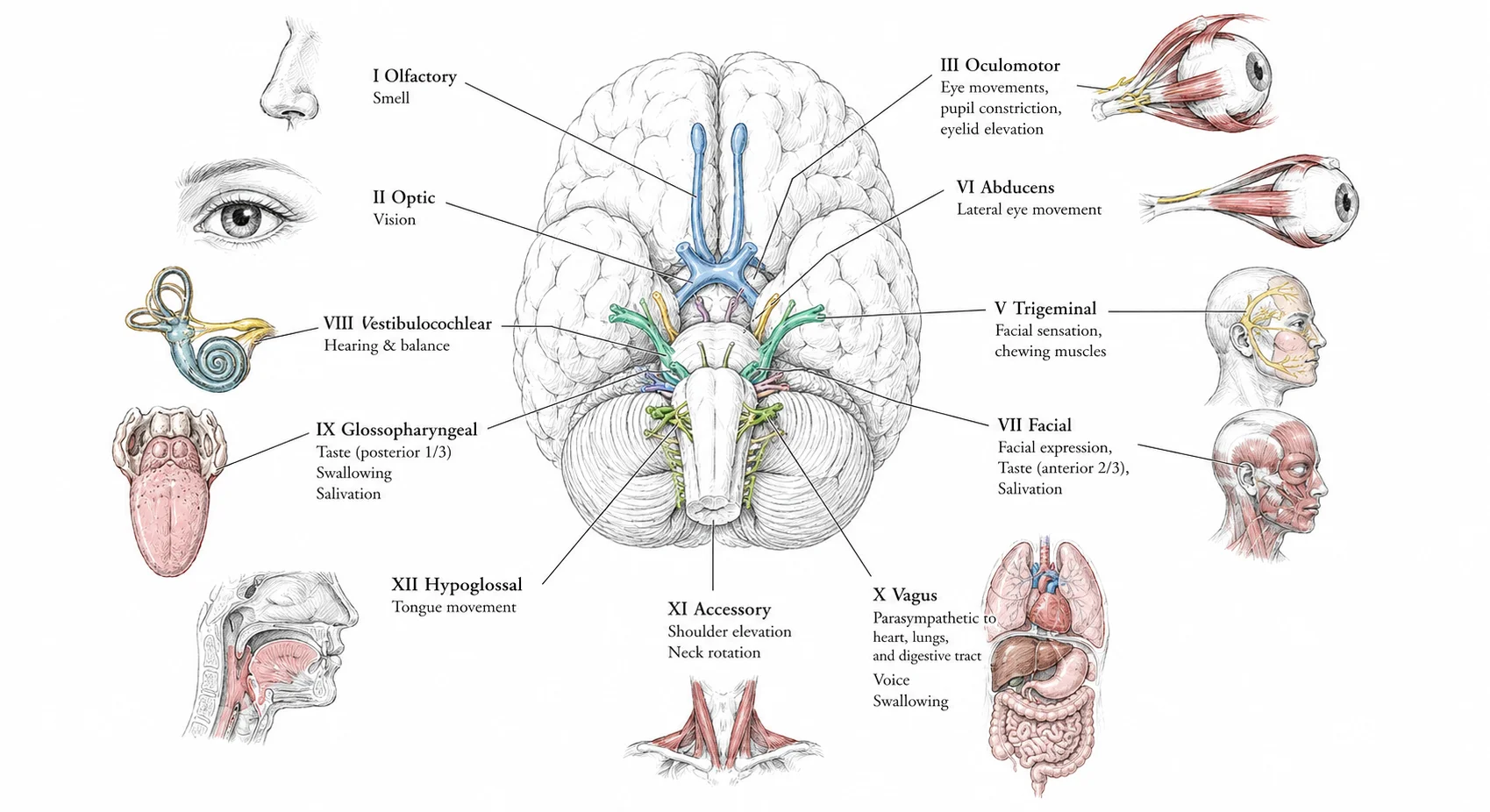
Different brain regions handle different jobs, but they work together through networks of nerves and pathways. TBI can affect one region directly or disrupt communication across the system.
Brain Pathways Mapping
Supports attention, decision-making, planning, impulse control, mood regulation, and parts of speech. Injury may affect focus, personality, and organization.
Helps with memory, language comprehension, hearing, and emotional processing. Injury may affect recall, sound sensitivity, or word understanding.
Processes touch, body position, spatial awareness, and sensory integration. Injury may affect balance, coordination, and awareness of body position.
Processes visual information. Injury can contribute to blurred vision, visual strain, light sensitivity, or difficulty tracking movement.
Coordinate balance, eye movements, alertness, breathing, heart-rate regulation, and fine motor control. Injury may cause dizziness, fatigue, and coordination changes.
The brain, spinal cord, and peripheral nerves communicate through electrical and chemical signals. TBI can disrupt these networks even when imaging is subtle.
Personal Injury Cases
Neurological documentation is critical for personal injury claims. Our team provides evaluations, treatment plans, imaging referrals, and detailed medical documentation to support recovery and case review.
FAQ
Seek evaluation after any head trauma with headache, dizziness, confusion, vision changes, mood change, sleep disruption, or symptoms that appear later.
They answer different questions. MRI helps visualize brain regions, qEEG evaluates brain activity, and VNG assesses the vestibular system.
Yes. We provide neurological evaluations, treatment planning, medical documentation, and lien coordination for accident-related cases.
Recovery varies. Mild TBI may improve over weeks, while persistent symptoms can require months of structured neurological, vestibular, post-traumatic headache, and rehabilitation care.
Neurology and TBI care in Las Vegas. Personal injury lien accepted.